
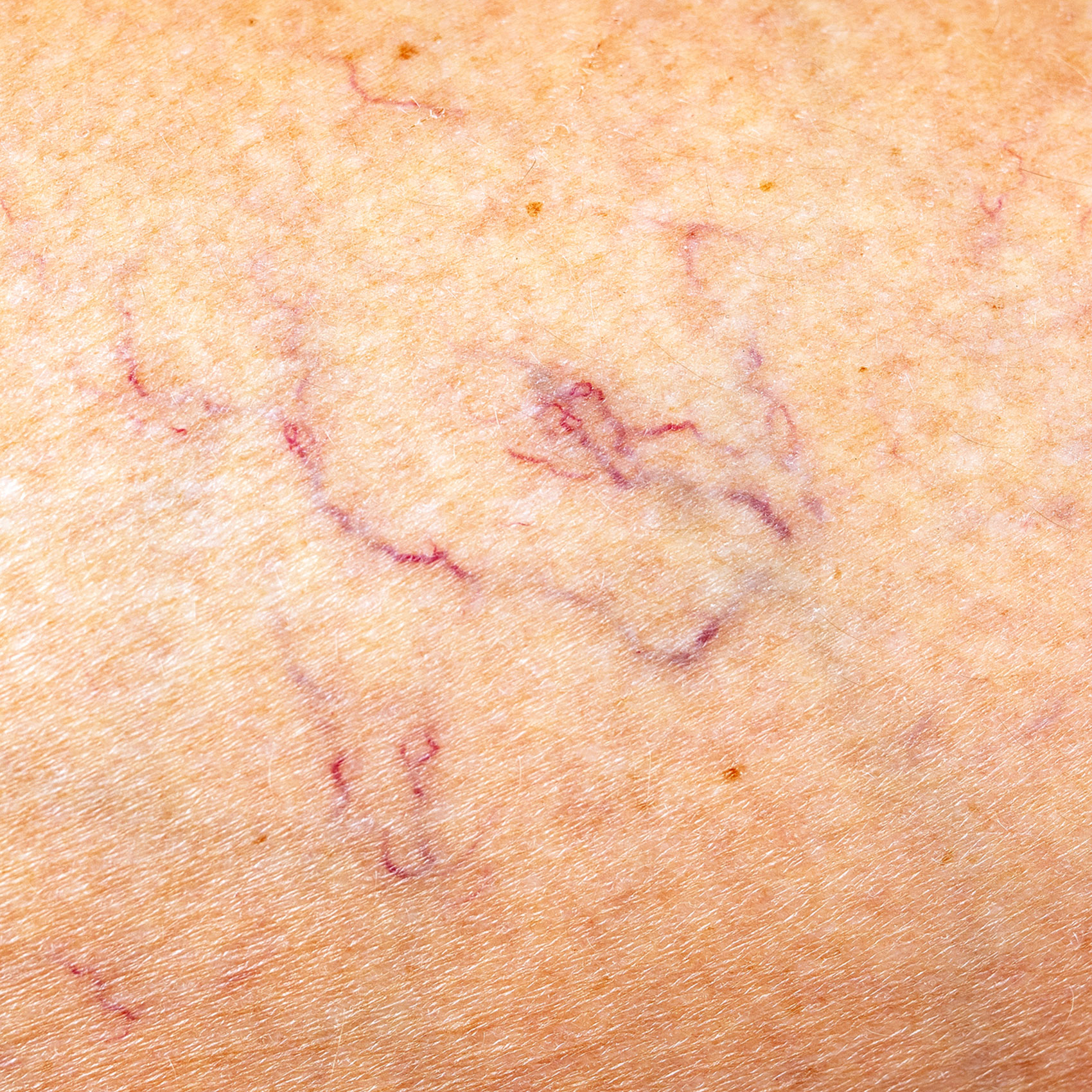
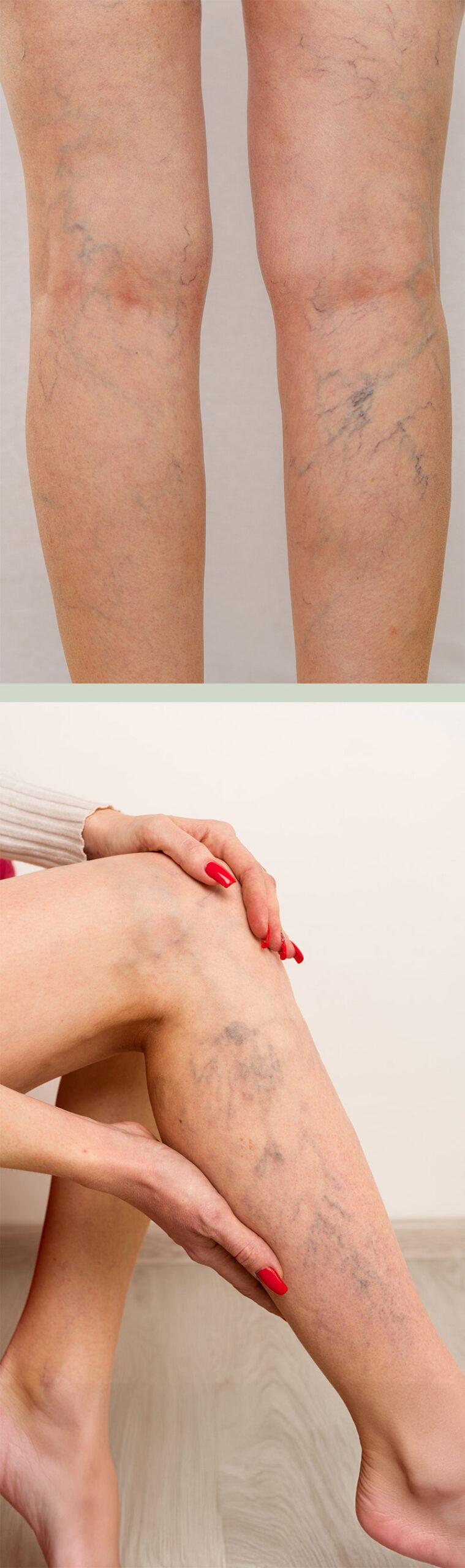
Spider veins, also known as telangiectasias or reticular veins, are small, dilated blood vessels that appear close to the skin's surface. They are often red, blue, or purple and can resemble a spider's web or tree branches in their pattern
While similar in some respects, spider veins are distinct from varicose veins, which are larger, deeper, and often bulging.
Spider veins are primarily a cosmetic concern. However, in some cases, they may be accompanied by mild discomfort, especially if associated with venous insufficiency.
However, in some cases, spider veins may be associated with an underlying venous condition, especially if symptoms such as pain or swelling are present. Therefore, patients should consult their doctor when spider veins appear and follow up as they develop.
This article provides a comprehensive overview of spider veins, covering their symptoms, causes, diagnostic methods, and available treatment options.
Key Takeaways
What Are Spider Veins?
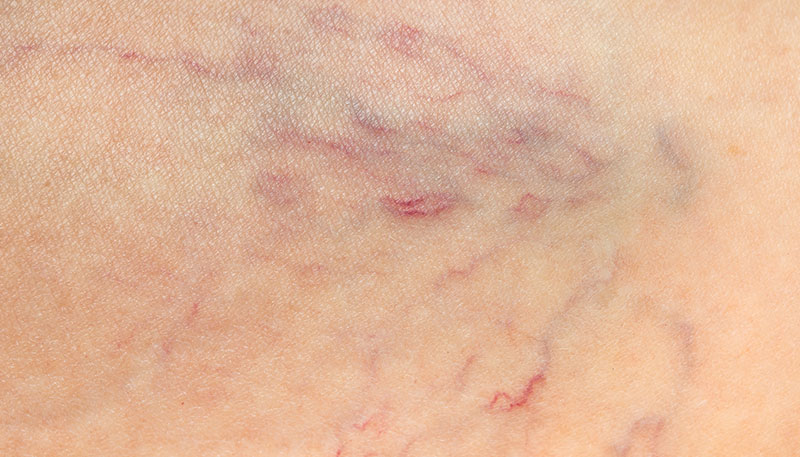
Spider veins are small, damaged veins that appear on the skin's surface and are usually not painful or harmful. They are most commonly found on the legs and face. They may be red, blue, or purple and are easily visible due to their proximity to the skin.
Definition and Description
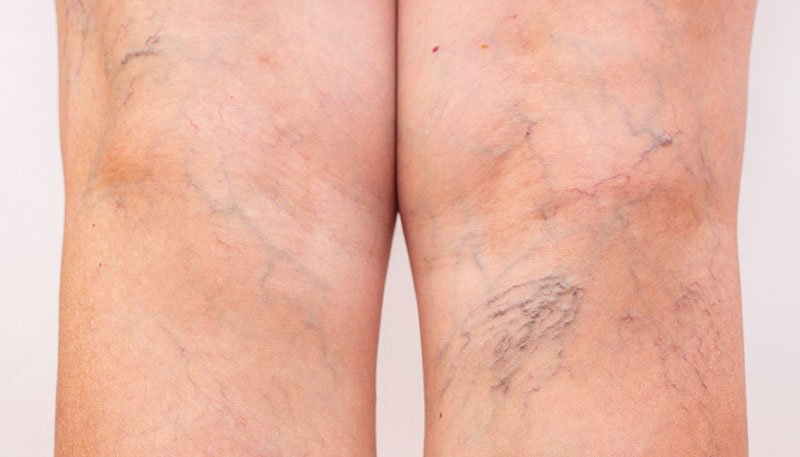
Spider veins, a type of telangiectasia, are small, dilated blood vessels found near the skin's surface. They can develop anywhere on the body but are most commonly found on the face and legs. These veins typically measure between 0.5 and 1 millimeter in diameter and appear as thin lines, webs, or branches.
- They are usually not a serious health concern but occasionally cause discomfort.
- They are more common in women than men.
- They are generally caused by structural abnormalities of blood vessels.
Spider Veins vs. Varicose Veins
It is important to distinguish spider veins from varicose veins, as they are related but distinct conditions. Varicose veins are larger, swollen, and twisted veins that often bulge above the skin's surface. In contrast, spider veins are smaller, flatter, and closer to the skin's surface, resembling a spider's web or tree branches.
Varicose veins may cause pain, aching, or a feeling of heaviness in the legs, and in some cases, they can lead to more serious health problems. Although spider veins and varicose veins can sometimes occur together, spider veins are mainly a cosmetic concern. They can, however, also be a sign of underlying venous disease.

Common Locations
Spider veins can appear on various parts of the body but are most frequently observed on the legs and face. On the legs, they often manifest on the thighs, calves, and ankles. They can be caused by increased pressure in the veins of the legs.
Facial spider veins, on the other hand, commonly appear on the cheeks and nose. Sun exposure may contribute to the development of facial spider veins, but genetics and hormonal changes often play a more significant role.
Symptoms of Spider Veins
Spider veins are often considered primarily a cosmetic issue, as they are typically painless and do not pose a significant health risk. However, it's essential to recognize that some individuals may experience mild physical symptoms. For others, the visible appearance of spider veins can be a source of self-consciousness.
Primarily a Cosmetic Concern
For many individuals, spider veins are asymptomatic, meaning they do not cause noticeable physical discomfort. The primary concern for these individuals is often the cosmetic appearance of the veins. The visibility of these small, web-like veins on the legs or face can lead to self-consciousness or dissatisfaction with one's appearance, especially in individuals who feel they make them appear older.
While spider veins are typically not a sign of a serious underlying health condition, their appearance can impact an individual's self-esteem. In this case, it is helpful to address cosmetic concerns with a healthcare professional who can provide reassurance and discuss available treatment options.
Potential Physical Symptoms
Although less common, some individuals with spider veins may experience mild physical symptoms. These symptoms can include aching, burning, itching, or swelling in the affected area. These symptoms are usually mild and tend to worsen after prolonged periods of standing or sitting.
In rare cases, individuals might experience a sensation of heaviness or fatigue in the legs. If any of these symptoms occur, they are generally not severe. However, it's advisable to consult a healthcare professional to rule out any underlying venous insufficiency or other potential conditions.
Causes of Spider Veins
Spider veins develop due to various factors, most notably weakened or damaged valves within the veins. Several risk factors can increase the likelihood of developing spider veins. These include age, genetics, hormonal changes, obesity, and prolonged periods of standing or sitting.
Treatment Options for Spider Veins
Treatment for spider veins ranges from conservative lifestyle changes to minimally invasive medical procedures. The choice of treatment depends on the severity of the spider veins, the presence of any associated symptoms, and the individual's preferences. The primary goals of treatment are to improve the appearance of the affected area and to alleviate any associated discomfort.
-
Lifestyle Changes
Lifestyle modifications can benefit individuals with mild spider veins or those seeking to prevent their development. Regular exercise, particularly activities like walking or swimming, can improve circulation in the legs and strengthen the calf muscles, aiding venous return. Additionally, maintaining a healthy weight can reduce pressure on the veins.
Compression stockings can also help prevent new spider veins from forming and may reduce symptoms, though they will not remove existing ones. Avoiding prolonged periods of standing or sitting and elevating the legs when resting can also help minimize blood pooling in the lower extremities. Additionally, avoiding constrictive clothing around the waist, groin, and thighs can promote better circulation.
-
Sclerotherapy
Sclerotherapy is a widely used and effective treatment for spider veins. This minimally invasive procedure involves injecting a solution directly into the affected veins, causing them to collapse and eventually fade from view. The solution irritates the lining of the vein, leading to scarring and closure of the vessel.
Over time, the body absorbs the treated veins. Sclerotherapy is typically performed in a doctor's office and does not require anesthesia. Multiple sessions may be needed to achieve the desired results, and the treated veins usually disappear within a few weeks to a few months.
-
Laser Therapy
Laser therapy is another treatment option for spider veins, particularly those on the face or smaller veins that may be difficult to treat with sclerotherapy. This method uses focused laser energy to heat and damage the walls of the spider veins. This process causes them to close and eventually be absorbed by the body.
Though there can be some discomfort with laser therapy, it is non-invasive and does not involve needles or injections. Patients may experience a mild stinging or burning sensation during the procedure. Furthermore, multiple treatment sessions are often necessary to achieve optimal results, and the treated veins typically fade gradually over several weeks.
-
Other Procedures
While less commonly used for spider veins, procedures such as endovenous laser ablation (EVLA) and radiofrequency ablation (RFA) may be considered in some instances. However, these procedures are primarily used for varicose veins.
When to See a Doctor
While spider veins are often harmless and primarily a cosmetic concern, there are certain situations when it's advisable to consult a healthcare professional. Seeking medical advice is helpful if you're bothered by the appearance of spider veins, experiencing discomfort, or if you notice any signs of potential complications. A doctor can properly diagnose the condition, rule out underlying issues, and discuss appropriate treatment options.

Cosmetic Concerns
Many individuals seek treatment for spider veins due to their appearance, especially when they are located in visible areas like the legs or face.
If the presence of spider veins is causing you significant distress or impacting your self-esteem, it's reasonable to consult a doctor. A dermatologist, vascular specialist, or aesthetic surgeon can discuss various treatment options to improve the appearance of your skin.
It's important to have realistic expectations about the results of treatment. While procedures like sclerotherapy and laser therapy can significantly reduce the appearance of spider veins, they may not completely eliminate them. Your doctor can help you understand what to expect from treatment and determine the most suitable approach based on your needs and preferences.

Pain or Discomfort
Although spider veins are typically painless, some individuals may experience symptoms such as aching, burning, itching, or swelling in the affected area. If you're experiencing any of these symptoms, it's advisable to see a doctor. These symptoms could indicate an underlying venous issue that requires further evaluation.
Your doctor can perform a physical examination and, if necessary, order diagnostic tests like an ultrasound to assess the health of your veins. They can then recommend appropriate treatment options to alleviate your symptoms and address any underlying venous insufficiency.

Signs of Complications
While rare, complications from spider veins can occur. These might include skin ulcers, bleeding, or superficial thrombophlebitis (vein inflammation due to a blood clot). If you notice any open sores, experience bleeding from a spider vein, or observe redness, warmth, or tenderness along a vein, seek medical attention promptly.
These signs could indicate a more serious problem that requires prompt treatment. Your doctor can accurately diagnose the condition and recommend the appropriate action. Early intervention can help prevent further complications and ensure the best possible outcome.
FAQs
Conclusion
Spider veins are a common condition characterized by small, dilated blood vessels that appear close to the skin's surface. They are often a cosmetic concern but can occasionally cause mild discomfort. While usually harmless, their appearance can be bothersome, and individuals may seek treatment to improve the appearance of their skin.
Understanding the causes, symptoms, and treatment options for spider veins can empower individuals to make informed decisions about their vascular health.
If you have concerns about spider veins, either for cosmetic reasons or due to associated symptoms, it is recommended that you consult a healthcare professional. A doctor can provide personalized advice, rule out underlying venous conditions, and discuss appropriate treatment strategies.
Venetian Medical Spa and Aesthetic Surgery
At Venetian Medical Spa and Aesthetic Surgery, we strive to provide personalized, cutting-edge aesthetic care, such as spider veins, that enhances natural beauty and promotes overall well-being. Our dedicated team of professionals is committed to delivering exceptional service and utilizing the latest advancements in medical aesthetics to help each client look and feel their absolute best.
For your convenience, you may schedule an appointment or free consultation on our website or call our office at 863-430-0582.
Additional Resources
- Varicose veins (Mayo Clinic)
- Varicose veins and spider veins (Office on Women's Health)
- Varicose Veins (NHLBI)
- Varicose Veins (Johns Hopkins Medicine)
- Sclerotherapy of Varicose Veins and Spider Veins (Radiological Society of North America)
- Varicose Veins (Novus Spine & Pain Center)
- Spider Veins Services by Venetian Medical Spa and Aesthetic Surgery